
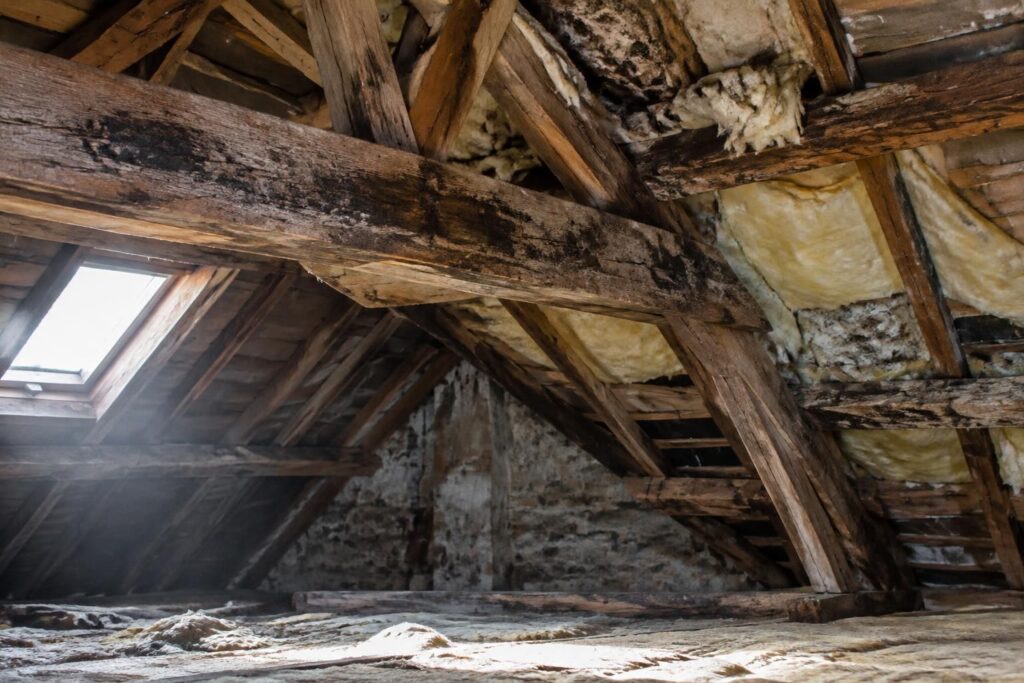
Hi, tradespeople, Patrick here. To prevent a neglected roof frame from compromising the insulation, have the timber inspected, repair any damage and check the ventilation before installing the insulation. An effective renovation starts with an assessment, not with laying insulation between the rafters. Moisture, a leak or insects can weaken the structure and cause heat loss. It’s best to address these problems beforehand.
Do this right away
- Inspect the beams and look for holes, sawdust or soft spots.
- Look for signs of moisture, mould and roof leaks.
- Check that air circulates properly in the attic.
- Choose insulation that is compatible with the roof frame and roof configuration.
- Ask a professional for advice if the timber is warped or appears weakened.
The rule is simple: make the roof frame sound and protect it before insulating. To spot common pitfalls, read this advice on mistakes to avoid when combining roof framing and insulation and the benefits of treating the timber before installing insulation.
Why a roof frame in poor condition reduces insulation effectiveness
Insulation installed on a damp or damaged surface won’t solve the problem: it may become less effective and conceal the damage. A leak can soak the timber, compress some types of insulation and encourage mould growth. Heat loss then increases, while maintenance becomes more complicated.
Holes in the timber, fresh sawdust or a beam that sounds hollow deserve a closer look. These signs alone aren’t enough to identify the cause, but they do warrant a roof frame assessment before any insulation work begins.
What to check before installing insulation
Start by inspecting the attic from a safe location. Look for signs of leaks, dark marks, warping and evidence of wood-boring insects. If an area seems fragile, don’t cover it up: have a carpenter or timber specialist check it.
The choice of insulation will depend on the surface, how the attic is used and the planned ventilation. Glass wool, rock wool or certain bio-based materials may be suitable depending on the project, but no material can compensate for a damaged roof frame. You should also avoid compressing the insulation, as this can affect its performance.
Quick checks before work begins
| What you notice | Possible risk | What to do |
|---|---|---|
| Sawdust or small holes | Insect activity in the timber | Have the beams inspected before insulating them |
| Dark or damp timber | Leak or condensation | Address the cause and let it dry |
| Attic with no air circulation | Moisture and condensation | Check the ventilation inlets and outlets |
| Poorly fitted insulation | Thermal bridges and air leaks | Refit it without compressing the material |
Three steps to make a roof renovation safe
- Step 1: inspect. Look for signs of deterioration, leaks and poorly ventilated areas. If you’re unsure about the structural integrity, ask for a professional assessment.
- Step 2: make it sound and repair it. Fix the leak, treat the timber if necessary, and replace or reinforce any elements that are too badly damaged. Allow the recommended drying time before proceeding.
- Step 3: insulate carefully. Choose a suitable material, install it without gaps or compression, and ensure the ventilation is appropriate for the roof. Also check the airtightness at the joins.
If the timber is sound and dry, you can prepare to insulate once you’ve checked the ventilation. If you see sawdust, warping or a leak, stop the work and have the structure inspected.
An easy mistake to avoid
During an attic renovation, a homeowner planned to install insulation the following weekend. An inspection revealed a small leak near a roof joint; it was repaired before the sloping ceilings were closed up.
Remember this advice: “Insulation won’t repair a roof frame.” Prevention often costs less than removing a lining to access a hidden problem.
Avoiding thermal bridges and moisture problems
The joins between the roof and walls, duct penetrations and connections around roof windows are vulnerable points. An imprecise installation can let air through and reduce comfort, even with high-performance insulation. Take care with these areas and check that the ventilation hasn’t been blocked by the work.
Thermal regulations and requirements for grants may change. Before choosing materials or signing a quote, check the rules that apply to your home and ask for written details of the expected performance. A professional can also confirm that the insulation, roof frame and ventilation are compatible.
Frequently asked questions about roof framing and insulation
Should a roof frame always be treated before insulation?
No, not always. First check the condition of the timber and only treat it if the assessment shows that it is necessary. However, any leaks or damage must be addressed before installing insulation.
What signs in the attic should raise concern?
Fresh sawdust, small holes, softened timber, signs of moisture and warped beams warrant a closer inspection. These signs can have several causes: a professional can identify them.
Can you insulate without checking the ventilation?
That’s risky. Inadequate air circulation can encourage condensation and damage the timber or insulation. The ventilation must be checked and adapted to the project before the attic is closed up.
Which insulation should you choose for an old roof frame?
The choice depends on the condition of the timber, the roof configuration and moisture management. If the roof frame is old or fragile, ask a professional to confirm that the material and installation method are suitable.
Thanks for reading this far; Patrick