
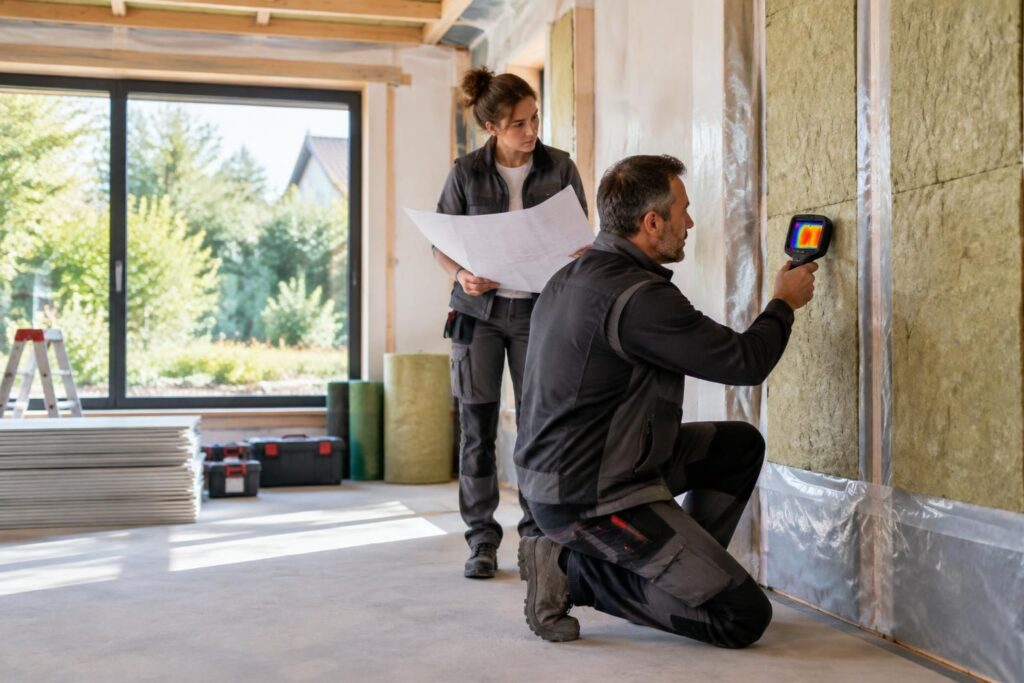
Hi, Patrick here. To avoid a botched energy renovation, start by having the building assessed, then plan the work in the right order with qualified tradespeople. Without this preparation, new insulation or an efficient heating system can disappoint and cost more than expected.
The right approach is to treat the house as a whole: thermal insulation, airtightness, effective ventilation and heating all need to work together. Here are five practical points to check before starting work.
Good practices to follow
- Request an energy audit before choosing the work.
- Prioritize heat loss areas, particularly by inspecting the attic and walls.
- Plan for ventilation before making the home more airtight.
- Compare detailed quotes and check the companies’ qualifications.
- Check renovation grants and their conditions before signing.
To prepare the project, start with these ways to get off to a good start, then review the points to check before signing a quote. These two steps help turn a list of jobs into a coherent plan.
Energy renovation: the pitfall of starting work in the wrong order
A common mistake is to replace the heating system first, without measuring the home’s actual needs. After insulation, the home may need less heat: the equipment you choose could then be too powerful and operate inefficiently.
Another pitfall is improving airtightness without planning for adequate air renewal. Moisture can build up, leading to condensation or mold. A better-insulated home also needs to breathe properly through effective ventilation.
Five checks to avoid unpleasant surprises
1. Assess the building. This helps identify heat loss, the condition of the building envelope, moisture problems and ventilation needs. A thorough energy audit then prioritizes the work instead of simply listing standard solutions.
2. Set a sensible order for the work. Insulating the attic may be a priority, but the choice depends on the home’s actual condition. Thermal bridges also need to be addressed, and connections between elements anticipated, to prevent one job from compromising the next.
3. Plan airtightness and ventilation together. A better-insulated building envelope limits leaks, but air inlets and outlets still need to be suitable. Ask for the ventilation solution and how it will be commissioned to be specified in the quote.
4. Check the contractors and coordinate the work. Request detailed quotes, references for comparable projects and proof of insurance. Also appoint someone to coordinate the work: a clear schedule reduces rework and unnecessary delays.
5. Confirm grants before committing. Renovation grants are subject to criteria that may apply to the work, the contractors and the application process. Check the rules that apply to your project before signing or starting work.
A practical example: the order changes the outcome
Claire initially plans to install a heat pump, then discovers during the audit that her attic is very poorly insulated and the ventilation is inadequate. By reorganizing the project, she starts with the building envelope, upgrades the ventilation, and then sizes the heating system according to the remaining needs.
The lesson is simple: an efficient heating system is only truly efficient if it is suited to a home whose needs have been assessed. The choice of work matters just as much as the choice of equipment.
| Point to check | Question to ask | Risk if you ignore it |
|---|---|---|
| Assessment and audit | Are the priorities justified by the home’s condition? | Misguided work |
| Insulation and ventilation | Is air renewal planned alongside the insulation? | Damp and discomfort |
| Heating | Is the system’s capacity calculated after the insulation work? | Oversized equipment |
| Quotes and grants | Are the services and conditions documented and verified? | Extra costs or lost grants |
A three-step process to keep the project on track
- Get an assessment. Gather findings on insulation, moisture, equipment and ventilation, then request an energy audit if necessary.
- Develop a work plan. Set priorities, sequence the work and define the expected performance. Ask the contractors involved to confirm how the work will be coordinated.
- Check everything before signing and during the project. Compare quotes, verify qualifications and available grants, then request progress reports at key stages.
If a quote proposes equipment without explaining how it will be sized, or insulation without a ventilation solution, ask for clarification before committing. A clear project plan is the best safeguard against a botched renovation.
Frequently asked questions about a successful energy renovation
Should you get an energy audit before starting work?
It is recommended to understand heat loss and prioritize the work. It helps you avoid isolated jobs that do not address the home’s actual needs.
Which work should be done first?
It depends on the building assessment. Attic insulation is often considered early on, but moisture, walls, windows and ventilation can change the priorities.
Can you replace the heating system before insulating?
It is possible, but the system may be sized incorrectly if the home’s needs decrease afterward. Assess the building envelope first and have the required capacity calculated.
When should you check renovation grants?
Before signing quotes or starting work. Criteria and application processes depend on the program and the project; check the applicable conditions with official sources.
Thanks for reading! If this topic resonates with you, share your experience in the comments. — Patrick