
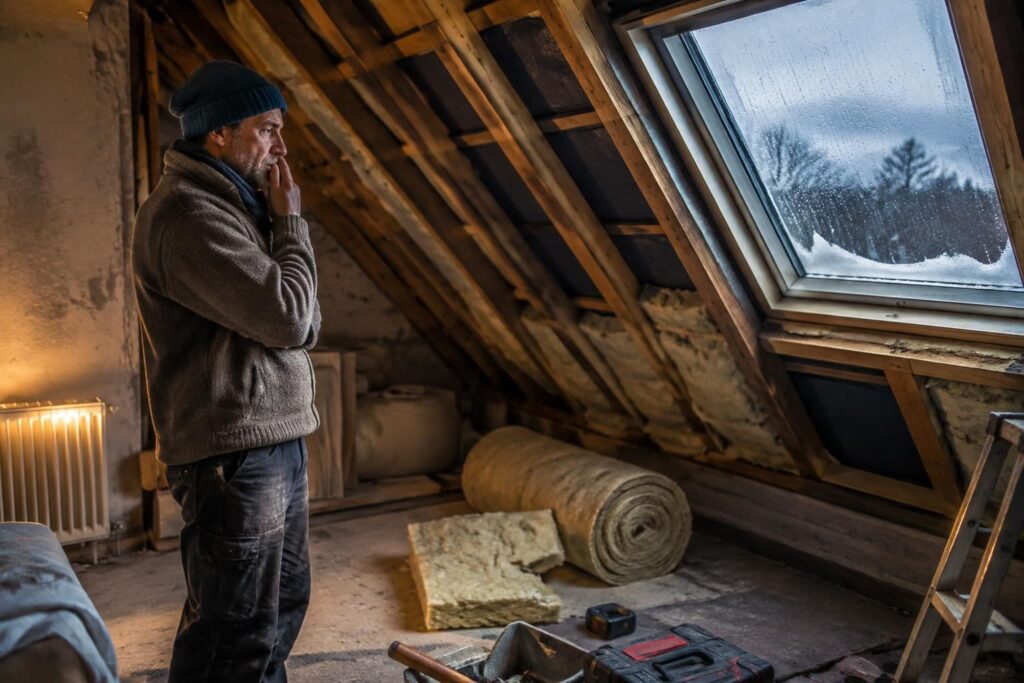
Hi there, it’s Patrick. Leaving insulation until the last minute before winter often costs more: tradespeople are in high demand, and heat leaks keep driving up heating bills. A few targeted fixes to your windows can nevertheless improve thermal comfort quickly.
The right approach is to identify heat loss before buying materials. Replacing a seal doesn’t require the same budget as fixing a faulty pane or insulating the attic.
What to do right away
- Check for drafts by slipping a sheet of paper between the sash and the frame.
- Replace flattened seals: budget around €5 to €15 per window and about twenty minutes to install.
- Keep vents clear to prevent condensation and mold.
- Treat single-pane windows with insulating film or secondary glazing if your budget allows.
- Request quotes early if the frames are damaged or several windows need replacing.
To plan your winter preparations, you can read this overview of the cost of insulating too late and this budget-friendly tip for insulating windows. Planning ahead helps you avoid choosing an overly expensive or unsuitable solution in a rush.
Why waiting until winter can drive up the bill
When the cold sets in, drafts become more noticeable, but the heating system has already been making up for heat loss for several weeks. Waiting can also limit your choice of available appointment times and mean having the work done in poor weather conditions.
The risk isn’t just financial. A poorly sealed window makes a room uncomfortable, while improper work can jam the sash or encourage damp. For an effective energy-efficient renovation, it’s best to tackle the causes in the right order.
Quick check: a draft or glass that feels too cold?
Close the window on a sheet of paper. If it slides out without resistance, the sash seal is probably letting air through. An incense stick can also help you find air leaks: watch the smoke along the seals, keeping it away from curtains and flammable materials.
If the glass is cold but the seals are in good condition, the problem is more likely the pane. Condensation between the two panes usually indicates a faulty sealed glazing unit: surface-applied film won’t restore its airtightness.
Targeted repairs instead of emergency DIY
Foam or flexible compression seals cost around €5 to €15 per window. For single-pane glass, shrink film typically costs €8 to €20 per kit; DIY secondary glazing can cost around €40 to €120 per window.
These solutions aren’t a substitute for more extensive insulation work. If heat is also escaping through the roof, insulating the attic may be a priority. The right choice depends on the condition of the home: buying lots of small items won’t make up for a poorly insulated roof or badly damaged windows.
| Solution | Approximate cost | What to know |
|---|---|---|
| Foam or brush seal | €5 to €15 per window | Reduces drafts around the sash |
| Sealant for fixed joints | €8 to €15 per cartridge | Use between the frame and the wall, not on a moving part |
| Insulating film | €8 to €20 per kit | Seasonal solution to reduce the feeling of cold glass |
| DIY secondary glazing | €40 to €120 per window | Creates an air gap and is especially useful for single-pane windows |
| Window replacement | About €400 to €900 installed | Consider if the frame or glazing is faulty |
These figures are estimates: dimensions, materials, and installation all affect the quote. The right calculation considers the entire window opening, not just the price of a roll of sealant.
Mistakes that make insulation more expensive
Never block an air vent. It provides ventilation. If you seal unwanted leaks but also eliminate ventilation, indoor moisture can condense on cold surfaces and cause mold.
Also avoid using silicone on a moving part or standard expanding foam around a frame: it can interfere with opening the window or distort the frame. Insulating film should be applied to a clean, dry surface, after the seals have been dealt with.
When patching things up is no longer cost-effective
A swollen frame, crumbling wood, or condensation between the panes indicate a problem that new seals won’t fix. The same applies if several windows need work: add up the DIY costs and compare them with replacement quotes.
As a rule of thumb, if the total DIY cost comes close to a third of the price of a new window installed, get at least one quote before carrying on. This isn’t an absolute rule, but it can help you avoid repeatedly investing in windows that are at the end of their life.
A simple three-step process before winter
- Check each window. Inspect the seals, frame, lock, and glazing; make a note of the rooms most exposed to the wind.
- Deal with air leaks first. Replace worn seals and adjust the hardware, then add film or secondary glazing if the glass still feels cold.
- Compare long-term solutions. If the window frames are damaged, request several quotes and also look at other sources of heat loss, especially the attic.
This method helps you get the most useful insulation work underway without confusing a quick repair with a full renovation. Energy savings depend on the condition of the home and how it’s used, but an accurate assessment already helps you avoid spending blindly.
Frequently asked questions about insulating windows before winter
How can I insulate a window for under €30?
Start by replacing the sash seal, which generally costs around €5 to €15 per window. Insulating film can complement this for around €8 to €20 per kit, provided the glass is clean and dry.
Is weatherstripping enough for a single-pane window?
It stops drafts, but it doesn’t insulate the glass itself. To reduce the feeling of a cold surface, add insulating film or suitable secondary glazing.
Can you block vents to keep the heat in?
No. Air inlets designed for ventilation must remain unobstructed. Blocking them can encourage damp, condensation, and mold.
When should you replace a window rather than repair it?
Consider replacement if the frame is warped or damaged, if condensation appears between the panes, or if the total repair cost becomes significant compared with a replacement quote.
I hope you found these tips helpful. See you soon! — Patrick